
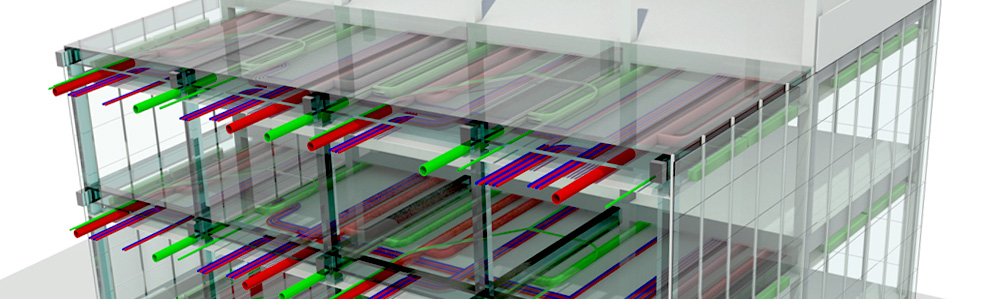
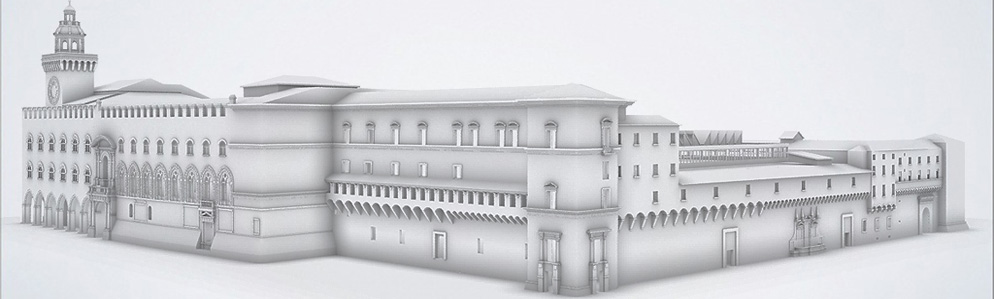
Back in the US! In the city that never sleeps!
Well, it seems that blogging is definitely an outdated way to express oneself on the web nowadays. Additionally, I rarely write anything here anymore. Perhaps I feel that I have less and less interesting things to say (or to type). By the way, I am currently in New York City! 😊
VIC-20 The friendly computer
 It’s been a long while since my last post on this blog. This boring era made of real time social things and dynamic digital networks full of contacts and followers (my optimal number of social interactions is far below the Dunbar’s number!) is eroding the time once devoted to write something more well-finished.
Anyway, a new post in the end, 5 years from my last one here. I will write again about retro-nerd-things and restorations I usually make during holidays, when I am far from everyday duties.
This year, also due to the home relocation we started months ago and which is still unfinished, I dedicated my time to fix and restore my first computer, yes the first one I have ever, ever had in my hands. All of my so long forgotten knowledge about it is deeply buried in the mist of my childhood memories, back to early 1984 if I am correct.
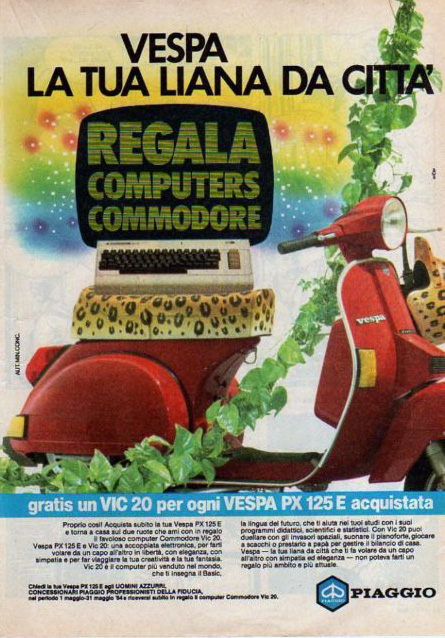
In that year Piaggio (my father then worked for them in a big bike dealership in Bologna) launched an ad campaign focused on a Commodore VIC-20 given away as a gift for customers purchasing a Vespa PX125. I can clearly remember those coloured boxes lying on the shelves, in the customer care area of BeMotor (the dealership’s name, today oriented in selling cars only).
Cray-1 - The home supercomputer
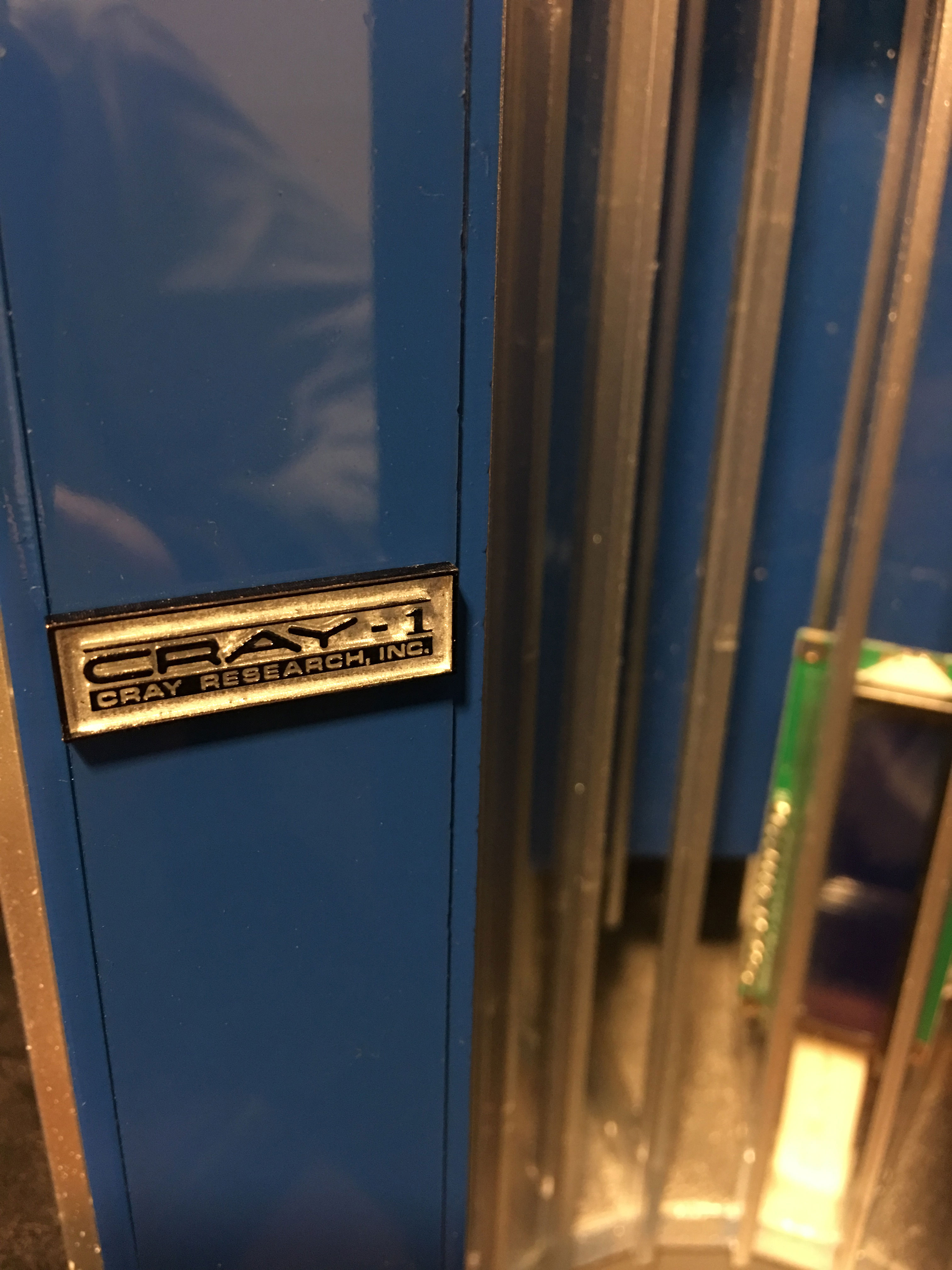 It took me almost a year to complete the Cray-1 project during my spare time. When I decided to build a physical copy of the first supercomputer ever, as faithful as possible, I found on the web a lot of inspiring examples (just like this one by Chris Fenton). In 1975 the 80 MHz Cray-1A was announced. Excitement was so high that a bidding war for the first machine broke out between Lawrence Livermore National Laboratory and Los Alamos National Laboratory, the latter eventually winning and receiving serial number 001 in 1976 for a six-month trial. Since then, the Cray-1 supercomputer reigned as the world’s fastest from 1976 to 1982 (source).
My personal 1:8 Cray-1A was made laser cutting some plexiglass sheets after a careful drafting process of the main vertical framework, which originally hosted over 60 miles of wire with no segment longer than 3 inches, to minimize signal delays. Amazing! My Cray-1A is equipped with a Rasperry Pi 2 board (out of 12 possible parallel slots) running a customized Os: a dedicated I2C controller drives a 16x2 characters LCD blue display while wi-fi and bluetooth interfaces guarantee wireless connections.
The weird 3D tourist

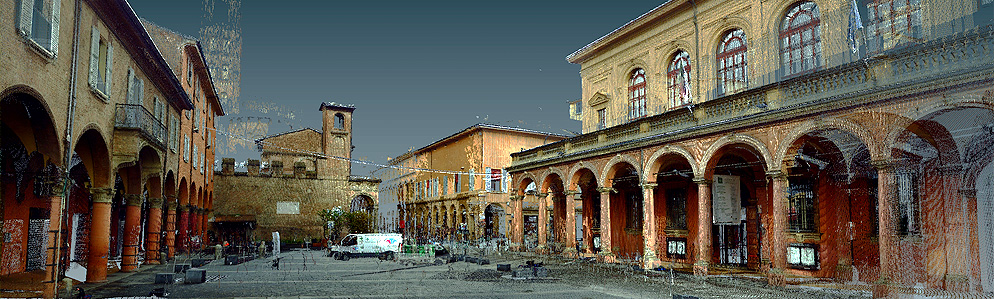
As part of my job and research work, I'm always into the digital representation of the built environment, even when off-duty. It's mostly a state-of-mind attitude, I suppose. That's probably why I cannot behave like ordinary visitors especially when I am a tourist on holidays for the first time in Paris!
My Dinky Toys' Space 1999 Eagle restoration project
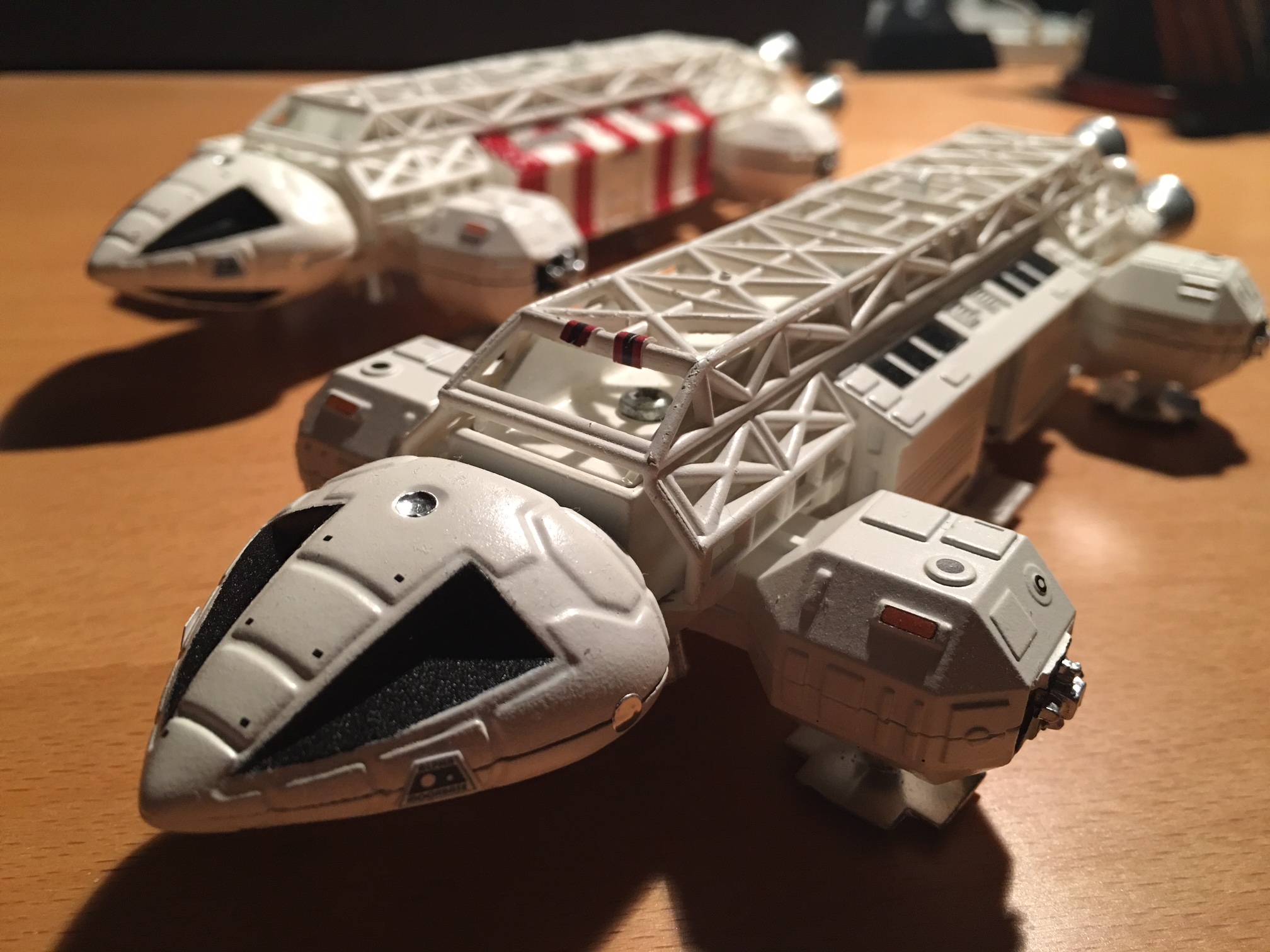 After some very busy weeks, I managed to apply the decals I ordered last month on eBay to complete my Dinky Toys' Space 1999 eagle. Since I found in UK another Eagle in very bad conditions, I decided to restore it as well, bringing to a new life another spaceship, this time in its Rescue livery. So, after Episode I, Episode II and Episode III, it's time to make the story short, presenting the final results of my efforts. My Eagles are now ready to take off from Moonbase Alpha...
Paul Morrow: Alpha to Eagle One, come in One. Alpha to Eagle One, come in One.
Cmdr. John Koenig: Eagle One to base, we copy. Paul, we're returning to Alpha.
Let's go straight to the final Episode!
- « Pagina precedente
- 1
- 2
- 3
- 4
- 5
- Prossima pagina »
Info
Dal 2004 questo piccolo angolo di rete raccoglie gli interessi di ricerca e i lavori di sperimentazione digitale di Simone Garagnani in materia di cultura geek, ma soprattutto di Building Information Modeling, rilievi digitali ad alta risoluzione e computer graphics legata al mondo dell'architettura, dell'ingegneria e delle costruzioni. TC Project, è presente anche sul social network Facebook.
Welcome to these pages that host since 2004 Simone Garagnani's personal blog, a collection of nerd notes and geek experiences focused sometimes on Building Information Modeling, terrestrial laser scanning, digital photogrammetry and computer graphics applied to the AEC world. The TC Project is also available on Facebook.
Segui le attività in TC Project: Registrazione
Follow TC Project activities: Registration/login
GreenSpider
 |
GreenSpider plug-in for Autodesk Revit |
Ultimi commenti
Trevor Dwyer (VIC-20 The friend…): Hi there, I feel your pain on updates and the internet not being the same these days – well since 199…SiliconSimon (Cray-1 - The home…): If someone is interested in my little Cray’s files, please PM me since I do not often read comments o…
SiliconSimon (Cray-1 - The home…): Of course Mike, I sent you a PM!
Robert (Cray-1 - The home…): If it’s possible, I would love to get the files from you for this project. I have a Cray-1 chip sitti…
Mike (Cray-1 - The home…): Are the files still available?
MojaMonkey (SGI VW540 @ TC La…): Hi Simon? This is a long shot but I was wondering if you have a copy of the SGI drivers required to…
Tagcloud
Meta


